
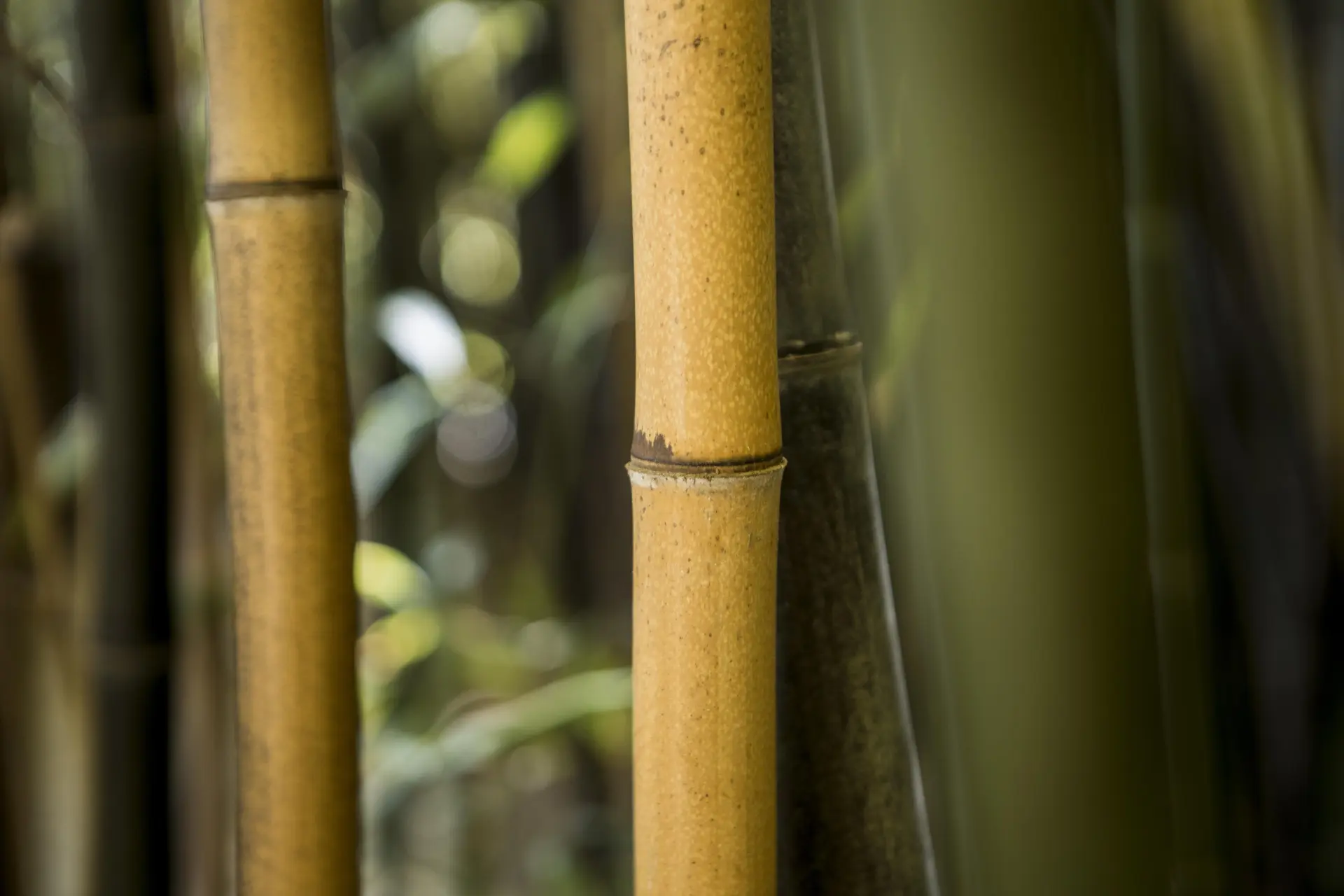
Bamboo can be an attractive addition to a garden, but it can also cause problems if it is allowed to spread without control. Some types of bamboo grow quickly and send underground stems through the soil. These can appear several metres away from the original plant and may spread beneath fences, paving and other garden features.
In many cases, bamboo does not damage a property straight away. Problems often develop slowly as the plant becomes established and spreads into areas where it is difficult to remove. Understanding how bamboo grows can help you spot the warning signs early and decide when action may be needed.

Can Bamboo Really Damage a Property?
Yes, bamboo can cause damage in some situations. The main risk comes from its underground stems, known as rhizomes. These rhizomes spread through the soil and produce new shoots.
Bamboo is unlikely to break through strong, well-built structures on its own. However, it can take advantage of existing gaps, cracks and weak points. As new shoots grow, they may widen small openings or push against lighter materials.
Problems are more likely when bamboo is planted close to patios, paths, walls, fences, sheds or neighbouring boundaries. The longer it is allowed to spread, the harder it can become to control.
How Bamboo Spreads
Bamboo spreads mainly through underground rhizomes. These grow away from the main plant and can produce new canes above ground.
Some bamboo varieties stay in a fairly compact area, while others can travel much further. Running bamboo is particularly known for spreading quickly.
Rhizomes often grow close to the surface, but they can be difficult to see because they are hidden under soil, grass or paving. A garden may therefore look under control even when bamboo is spreading underground.
New shoots can appear some distance from the original plant. This is often the first clear sign that the bamboo has moved beyond the area where it was planted.
Which Types of Bamboo Can Cause Problems?
Bamboo is usually divided into two main groups: clumping bamboo and running bamboo.
Clumping bamboo tends to grow in a tighter group. It usually expands more slowly and is often easier to manage.
Running bamboo can be much more difficult to control. Its rhizomes spread outwards through the soil and may produce new shoots several metres away from the parent plant.
This does not mean every running bamboo plant will cause property damage. The level of risk depends on where it is planted, how long it has been growing and whether steps have been taken to contain it.
Can Bamboo Damage Patios and Paving?
Bamboo can cause problems around patios, paths and paving.
Rhizomes may grow beneath paving slabs, especially where there are gaps or weak areas. New shoots can then emerge between slabs or around the edges of a paved area.
In some cases, this growth can cause slabs to move, lift or become uneven. This can affect the appearance of the area and may create a trip hazard.
The risk is greater if bamboo is planted very close to paving or if the paving has a weak base. Removing the visible shoots alone may not solve the problem because the rhizomes can remain active underneath.
Can Bamboo Damage Walls and Foundations?
Bamboo is not normally strong enough to break through sound concrete foundations. However, rhizomes can grow towards existing cracks, gaps and weak areas.
If bamboo is growing close to a wall, its underground growth may put pressure on lightweight structures or enter spaces where materials are already damaged.
Garden walls are usually more at risk than major house foundations because they may be shallower and lighter. Bamboo growing beside an old or damaged wall may make existing problems worse.
Any bamboo growing close to a building should be monitored carefully, especially if new shoots start appearing close to walls or beneath hard surfaces.
Can Bamboo Damage Fences and Garden Structures?
Bamboo can interfere with fences, sheds, raised beds and other garden structures.
Rhizomes may spread underneath fence lines and produce shoots on the other side. Thick growth can also press against fence panels or posts.
If bamboo grows close to a shed, greenhouse or other lightweight structure, new shoots may appear around or beneath it. Access can become difficult, particularly when a large bamboo plant has been left unmanaged for several years.
Removing bamboo from these areas can sometimes require lifting paving, moving garden features or digging close to fence posts and foundations.
Can Bamboo Affect Drains and Pipes?
Bamboo does not usually break into sound pipes. However, its rhizomes may grow towards areas where soil is loose or moisture is available.
If a pipe or drain is already cracked or damaged, bamboo growth may enter the surrounding area. This can make an existing problem more difficult to deal with.
Bamboo may also make access to drains harder if dense growth develops around inspection covers or pipe routes.
If you suspect bamboo is growing near damaged drains or underground services, it may be sensible to seek professional advice before carrying out major digging work.
Can Bamboo Spread into a Neighbouring Property?
Yes. Running bamboo can spread beneath fences, walls and other boundaries.
The rhizomes do not stop at a legal property line. If there is no suitable barrier in the soil, they may continue growing into a neighbouring garden.
This can lead to new shoots appearing in lawns, flower beds, paths or paved areas next door. In some cases, the original bamboo plant may be several metres away.
If bamboo is growing near a boundary, regular checks are important. Early action can help reduce the risk of it becoming a problem for both properties.
Signs That Bamboo Is Becoming a Problem
There are several warning signs that bamboo may be spreading beyond control.
You may notice new shoots appearing further away from the original plant. Shoots may also begin to appear through lawns, flower beds or gaps in paving.
Other signs can include raised paving, growth beneath fences, dense roots in the soil and bamboo appearing on a neighbouring property.
A bamboo plant that is expanding rapidly each year may also need closer attention. The earlier spreading rhizomes are found, the easier they may be to manage.
How Quickly Can Bamboo Cause Damage?
There is no fixed time period because bamboo growth depends on the type of plant, soil, weather and available space.
Some running bamboo can spread quickly during the growing season. Problems may develop over several months or several years.
A newly planted bamboo may seem easy to control at first. However, once its underground network becomes established, new growth can appear across a much wider area.
Regular checks are important because waiting until visible damage appears can make removal more difficult.
How to Stop Bamboo from Spreading
One way to control bamboo is to install a suitable root barrier around the plant. This is designed to stop rhizomes from travelling beyond a set area.
Barriers need to be installed correctly and checked regularly. Rhizomes may sometimes grow over the edge if the barrier is too low or poorly maintained.
Another method is regular root pruning. This involves cutting spreading rhizomes before they move too far from the main plant.
Removing unwanted shoots is also useful, but cutting shoots alone does not usually stop the underground rhizomes from spreading.
When Should Bamboo Be Removed?
Removal may be worth considering when bamboo has spread well beyond its original planting area or is growing close to buildings, paving or boundaries.
You may also want to remove it if new shoots continue to appear despite attempts to control the plant.
Bamboo growing into a neighbouring garden can be another strong reason to act.
Early removal is usually easier than waiting until a large underground network has developed. Once rhizomes have spread beneath hard surfaces or structures, the work can become more difficult.
Can You Remove Bamboo Yourself?
Small bamboo plants can sometimes be removed without professional help.
The main challenge is removing the rhizomes as well as the visible canes. Simply cutting the bamboo to ground level will often allow it to grow back.
The area needs to be dug carefully so that as much of the underground growth as possible is removed. Any remaining pieces should then be monitored for new shoots.
Large or well-established bamboo can be much harder to remove. The work may involve heavy digging and repeated checks over time.
When to Use a Professional Bamboo Removal Service
Professional help may be useful when bamboo covers a large area or has spread beneath paving, fences or garden buildings.
A specialist may also be needed if bamboo has crossed into a neighbouring property or is growing close to important structures.
Professional removal usually focuses on identifying how far the rhizomes have spread and removing as much of the underground system as possible.
This can reduce the risk of bamboo returning and help avoid unnecessary digging in areas where the plant has not spread.
How to Prevent Bamboo from Growing Back
After bamboo has been removed, the area should be checked regularly for new shoots.
Small sections of rhizome can sometimes remain in the soil. If these are still alive, they may produce new growth.
Any new shoots should be dealt with promptly. Waiting can allow the plant to rebuild its underground network.
Keeping the area clear and carrying out regular checks over the following growing seasons can help confirm whether the bamboo has been fully removed.
If bamboo is being kept elsewhere in the garden, make sure it is properly contained so that the same problem does not develop again.
What to Do If You Are Worried About Bamboo on Your Property
If you are concerned about bamboo, start by checking how far it has spread. Look for new shoots away from the main plant and inspect nearby boundaries, paths, patios and garden structures.
Avoid assuming that cutting down the visible canes has solved the problem. The rhizomes underground are the main part of the plant that needs to be controlled.
For a small area, regular digging and monitoring may be enough. For larger infestations or bamboo growing close to structures, professional assessment may be the safer option.
Acting early can make bamboo easier to manage and reduce the chance of it spreading into areas where removal becomes more difficult.