
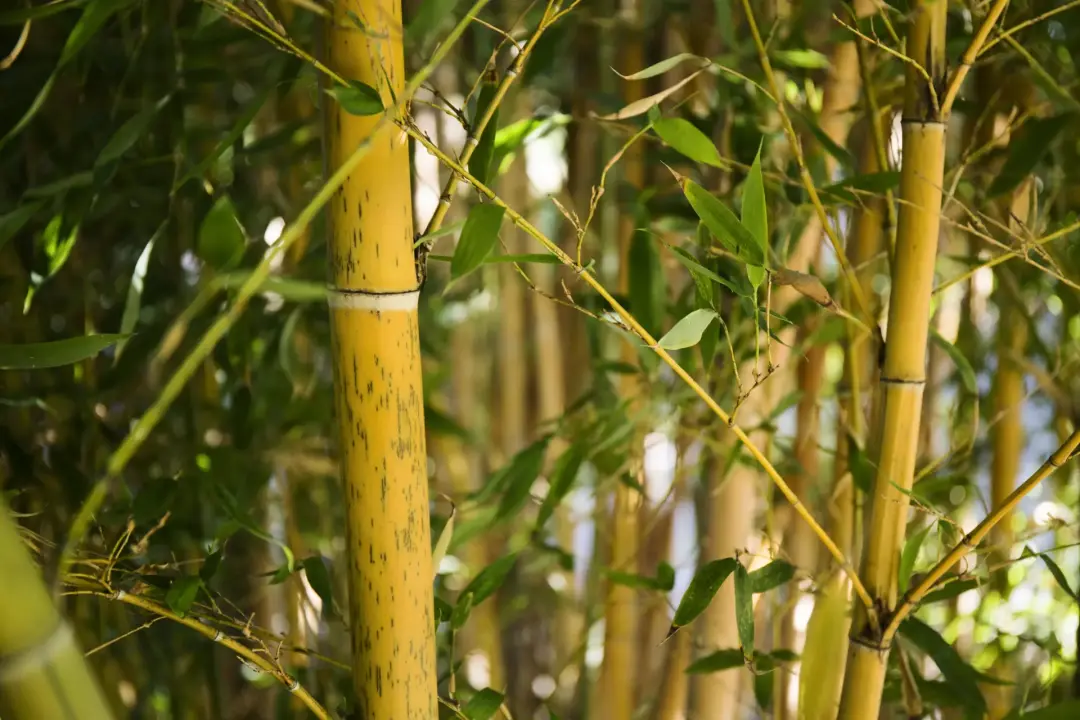
Bamboo can be an attractive plant, but it can become a serious problem when it starts spreading beyond the area where it was planted. Some types of bamboo grow quickly and can move through gardens, under fences and into nearby land.
Removing bamboo is often much harder than cutting down the visible stems. Most of the plant's strength and growth system is below ground, where a network of roots and underground stems can continue producing new shoots.
Understanding how bamboo grows can make it easier to see why removal often takes time and why careful treatment is needed.
Why Bamboo Is Hard to Control
Bamboo is difficult to control because much of the plant grows below the surface. Even if all the visible stems are removed, underground parts of the plant may remain alive.
These underground sections can store energy and produce new growth. If even a small active section is left behind, new shoots may appear later.
Bamboo can also spread beyond the area where it was originally planted. Once this happens, removal becomes more difficult because the underground growth may cover a much larger area than expected.
Regular checks are often needed after removal work because new shoots can appear some distance from the original plant.
How Bamboo Spreads Underground
Bamboo spreads through underground stems that grow beneath the soil. These stems are called rhizomes.
Rhizomes can travel away from the main plant and produce new roots and shoots as they grow. This allows bamboo to spread without producing seeds.
The visible bamboo above ground may therefore only show part of the problem. Underground growth can extend beyond the main group of stems and may cross garden boundaries, paths or other areas.
This spreading habit is one of the main reasons bamboo can be difficult to remove completely.
The Role of Bamboo Rhizomes
Rhizomes are a key part of the bamboo plant. They grow horizontally underground and connect different sections of the plant.
They can store energy and nutrients, helping the bamboo survive even after visible stems have been removed.
New bamboo shoots can grow from active points along the rhizomes. This means that cutting down one section of bamboo does not necessarily kill the rest of the plant.
Successful removal usually depends on dealing with the rhizomes as well as the stems above ground.
If sections of rhizome remain in the soil, they may produce further growth.
Why Cutting Bamboo Is Not Enough
Cutting bamboo to ground level can make an area look clear, but it does not usually remove the plant.
The underground rhizome system may still be alive and capable of producing new shoots. Cutting the stems removes some of the plant's ability to gather energy from sunlight, but the bamboo may still have stored energy below ground.
Repeated cutting can weaken bamboo over time, but it normally requires patience and careful monitoring.
Simply cutting the plant once and leaving the area is unlikely to solve a serious bamboo problem.
How Quickly Bamboo Can Grow Back
Bamboo is known for fast growth, particularly during its main growing season. New shoots can appear quickly when conditions are suitable.
After cutting, fresh shoots may emerge from underground rhizomes. Growth can sometimes appear in areas where no bamboo was previously visible.
The speed of regrowth depends on the type of bamboo, the condition of the plant, the weather, the soil and how much of the underground system remains.
This is why an area should be checked regularly after removal work. New growth should be dealt with before it becomes established.
Why Digging Bamboo Out Is Difficult
Digging bamboo out can be demanding because the underground growth may form a thick and tangled network.
Rhizomes can be strong and difficult to separate from the surrounding soil. They may also grow around other plants, tree roots, fences or garden features.
In an established bamboo patch, removing the underground system can involve lifting a large amount of soil and checking it carefully for remaining rhizomes.
Access can make the work harder. Bamboo growing beside walls, sheds, paving or boundaries may be more difficult to reach.
The larger and older the bamboo is, the more work removal is likely to require.
How Deep Bamboo Roots Can Spread
Bamboo growth is often concentrated relatively close to the surface, but its underground system can still spread through a large area.
The exact depth can vary depending on the bamboo type, soil conditions and how long the plant has been growing.
The main problem is often not simply how deep the bamboo grows, but how far its rhizomes can travel sideways.
A wide network of underground growth can make it difficult to know where the bamboo ends. Careful inspection of the surrounding area is therefore an important part of removal.
Why Bamboo Can Return After Removal
Bamboo may return if part of the underground system has been missed.
A small surviving section of active rhizome may be able to produce new shoots. These shoots might not appear immediately, which can give the impression that removal has been successful.
Growth may return later when conditions become suitable.
Bamboo can also return if underground growth extends into neighbouring land and then grows back into the treated area.
For this reason, removing the visible bamboo is only one part of the process. Follow-up checks are important.
The Difference Between Running and Clumping Bamboo
Bamboo is commonly divided into two broad growth types: running bamboo and clumping bamboo.
Running bamboo can spread through long underground rhizomes. These rhizomes may travel away from the original plant before producing new shoots. This type can spread across a garden and into neighbouring areas if it is not controlled.
Clumping bamboo usually grows in a more compact group. Its underground growth tends to remain closer to the main plant.
However, clumping bamboo can still become large and difficult to remove if it has been growing for many years.
Knowing which type of bamboo is present can help when deciding how removal should be carried out.
How Bamboo Spreads Into Nearby Areas
Bamboo does not always stay within the space where it was planted.
Running bamboo can send rhizomes underneath fences and across garden boundaries. It may also spread beneath lawns, flower beds and other areas where the soil allows it to grow.
In some cases, new shoots can appear several metres away from the main plant.
Barriers may slow or control growth when they are installed correctly, but damaged, unsuitable or poorly positioned barriers may allow bamboo to escape.
When bamboo reaches a neighbouring property, removal can become more complicated because the underground growth may cross more than one area.
Common Bamboo Removal Mistakes
One common mistake is removing only the visible stems. This leaves the underground system in place and allows the bamboo to grow again.
Another mistake is assuming that the problem has been solved after the first removal attempt. Bamboo can remain hidden below ground before producing fresh shoots.
Other common problems include failing to check the surrounding area, leaving sections of rhizome in the soil and ignoring growth that has crossed into nearby land.
Poor disposal can also cause problems if living plant material is moved to another suitable growing area.
A thorough approach is usually more effective than dealing only with the parts of the plant that can be seen.
Why Bamboo Removal Can Take Several Attempts
Complete bamboo removal may take more than one attempt because underground rhizomes can be easy to miss.
Initial work may remove most of the plant, but new shoots can reveal areas where active rhizomes are still present.
These shoots need to be removed or treated so that the remaining plant is gradually weakened.
Follow-up work is especially important with large or established bamboo patches.
The aim is not simply to make the area look clear. The aim is to prevent the underground system from producing further growth.
How to Remove Bamboo Properly
The right approach depends on the size of the bamboo, where it is growing and how far it has spread.
Removal usually begins by cutting down the visible bamboo so the area can be reached more easily.
The soil can then be carefully opened to locate the underground rhizomes. These need to be removed as thoroughly as possible.
The surrounding ground should also be checked because rhizomes may extend beyond the main bamboo patch.
After the main removal work, the area should be monitored for fresh shoots. Any regrowth should be dealt with promptly.
For larger infestations, specialist equipment or professional support may be needed.
How to Stop Bamboo From Growing Back
Preventing regrowth depends on removing or weakening the remaining underground system.
After bamboo has been cleared, the area should be checked regularly. Fresh shoots are a sign that live rhizomes are still present.
Removing new growth prevents the bamboo from rebuilding its energy reserves through its leaves.
Any remaining rhizomes that can be located should also be removed where practical.
It can also be useful to check boundaries and nearby areas. If bamboo is still growing next door or elsewhere in the garden, it may spread back into the cleared area.
Long-term monitoring is often an important part of successful bamboo control.
When to Consider Professional Bamboo Removal
Professional help may be worth considering when bamboo covers a large area, has been established for many years or has spread into difficult locations.
Bamboo growing close to buildings, walls, drains, paving or property boundaries can be harder to deal with safely and thoroughly.
Professional removal may also be useful when bamboo has spread into neighbouring land or when previous attempts have failed.
A specialist can assess how far the bamboo has spread, plan the removal work and advise on follow-up checks.
Bamboo removal can require patience because the visible plant is only part of the problem. Dealing with the underground rhizome system and checking for future growth gives the best chance of keeping the area clear.
Do you have a bamboo problem? If you require bamboo removal, contact our team today.